
Binoculars

FAQs About Binoculars
1. How do I choose the right binoculars?
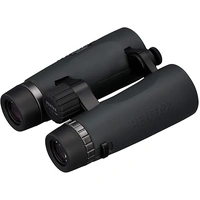
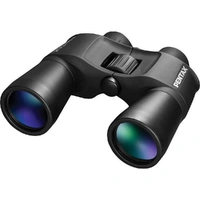
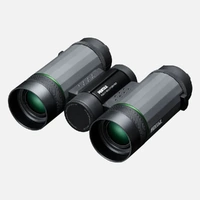
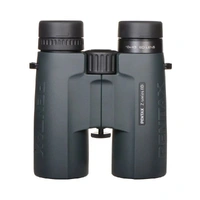
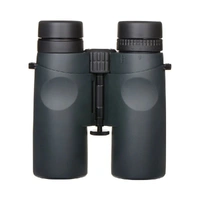
To choose the right binoculars, think about what you’ll be looking at and how long you’ll be holding them. If you’re birdwatching or glassing for animals for a while, comfort matters because you don’t want sore hands or a shaky view after ten minutes.
In Australia, waterproof and fog-proof is worth paying attention to because you’ll deal with rain, dust, and quick temperature changes. If you wear glasses, look for twist-up eyecups and good eye relief so you can see the full view without pressing them into your face. A diopter adjuster helps you set each side to your eyes, so you’re not constantly chasing focus.
2. What do the numbers on binoculars mean (e.g., 8x42 vs 10x50)?
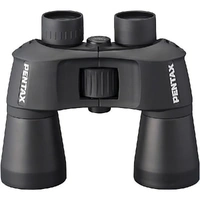
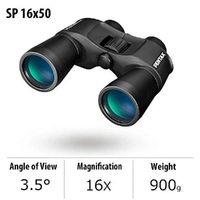
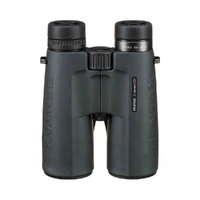
The numbers tell you two things: magnification and lens size. In 8x42, the 8x means objects look eight times closer than with your naked eye. The 42 is the size of the front lenses in millimetres, which affects how much light the binoculars gather, especially at dawn, dusk, and in shaded scrub.
In 10x50 binoculars, 10x provides more magnification, and 50mm lenses gather more light. However, the binoculars are usually larger and heavier, so you feel the weight sooner.
3. Are expensive binoculars worth it?
They can be worth it if you use binoculars regularly, like for birdwatching, wildlife spotting, or stargazing. Higher-end models usually have better lenses and prisms, so the details look more defined and you don’t need to keep tweaking the focus to get a clear view.
You’ll also find more options that are waterproof and fog-proof, which helps in Australian conditions. If you only pull binoculars out a few times a year, a good entry-level or mid-range pair can still do the job.
4. Do binoculars work at night?
Standard binoculars rely on available light, so after sunset, they only help if you’ve still got enough moonlight or other light around. If you need proper night use, night vision binoculars boost the small amount of light that’s already present so you can see in the dark, and they run on batteries.
Thermal binoculars can also help because they detect heat. When you’re comparing thermal models, a higher resolution sensor usually shows more detail. You should also consider the pixel pitch, which is the spacing between sensor pixels. A smaller pitch can give finer detail, while a larger pitch can pick up more heat signal per pixel, which can look cleaner in tougher conditions.
5. How to clean and care for binoculars?
Keep your binoculars in a protective case when you’re not using them, especially when you’re travelling or carrying them in a bag. For the lenses, use a microfiber cloth and wipe gently so you don’t scratch the coatings. Skip using your shirt or paper towel, since those can mark the glass over time.
Check the adjustable parts now and then, like the diopter and twist-up eyecups, and make sure they move smoothly. If your binoculars are waterproof and fog-proof, they’ll handle rough weather better, but you should still dry them off before storing them.
6. Which binoculars are best for birdwatching (especially in Australia)?
For birdwatching, you want binoculars that are comfortable to hold and don’t leave your eyes feeling strained after you’ve been using them for a while. In Australia, waterproof and fog-proof is a good pick because you’ll deal with wet weather, humidity, and quick temperature changes.
Twist-up eyecups and a diopter adjuster help you set them up for your eyes, especially if you wear glasses. If you’re watching birds across open water, wetlands, or big paddocks, a spotting scope can help you see finer detail at longer distances.