
Thermal Monoculars
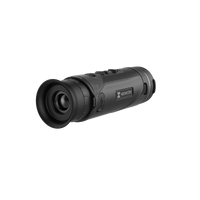
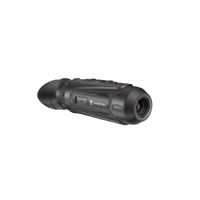


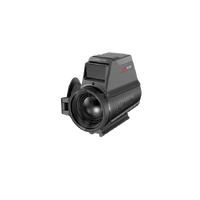
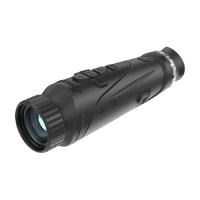
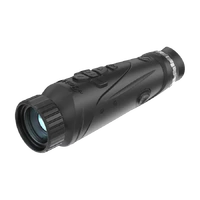

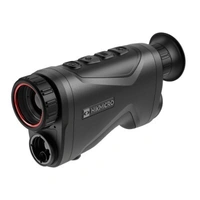
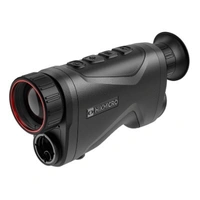
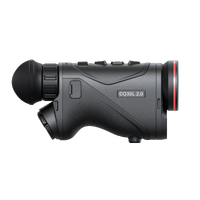
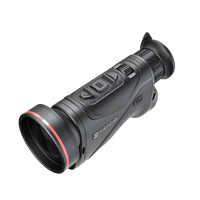
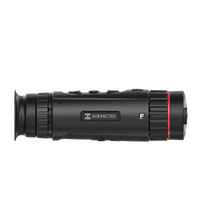


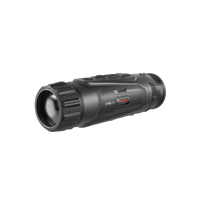
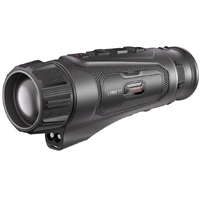
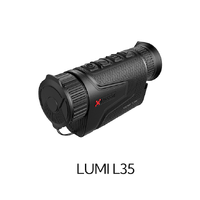
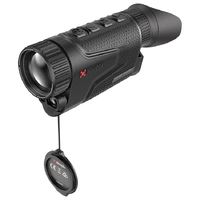
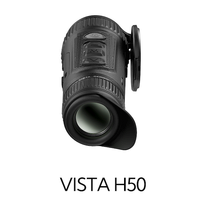
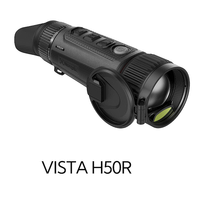
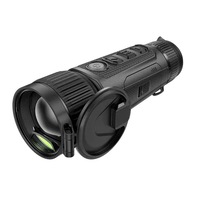
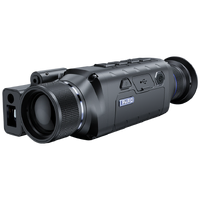
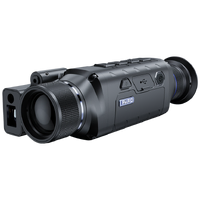
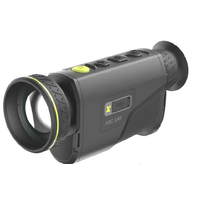
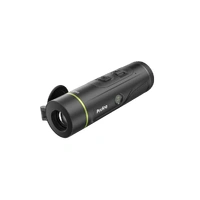
FAQs About Thermal Monoculars
1. Is a thermal monocular worth it?
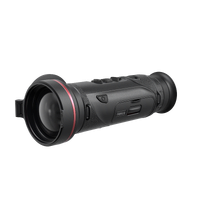
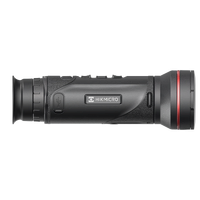
This is a common question among hunters, especially with so many solid options of thermal imaging devices available in the market, and within our range that includes top-tier brands like Nocpix, Pulsar, and HikMicro. The answer is yes, though it depends on certain conditions, like how and when you hunt.
If you're hunting predators and hogs during the times of day with low visibility, struggling to do the scouting and glassing, or you're typically in environments with thick covers or uneven terrains, the thermal monoculars can take the guesswork out for you thanks to components like microbolometer sensors.
In darkness and heavy shadows, these devices are designed to detect heat differences, allowing you to see the animals regardless of the visibility, saving you precious time you'd otherwise spend on waiting for light changes or movements. Fog can provide some issues, however luckily with a good enough sensor it can help punch through this to a degree.
This gives you the crucial information you need to act timely, supporting clear and consistent shots. And, together with the integrated laser rangefinder feature, you also have the required knowledge regarding the distance, with detection range of up to 1000 metres and more, depending on the brand and model.
These advantages also make this type of night vision optics great for security and surveillance, search and rescue as much as livestock management and wildlife observation, travel and hiking. For more tips and details on the specs of specific models, check out our Bullet Points Podcast and our YouTube channel.
2. How to choose thermal monoculars?
It all comes down to evaluating the crucial factors related to the thermal monocular performance with the purpose you intend to use them for. For start, focus on where and how you hunt, as the environment, the animal and your hunting style all have a say in the choice. With the specs, pay attention to:
Thermal Sensitivity - Indicated in NETD (Noise Equivalent Temperature Difference), it's the spec that's responsible for measuring the ability to detect temperature differences, indicated in millikelvins, mK. A lower value is better for contrast in foggy, rainy, terrain shrouded and daylight scenarios. The lower the value in mK the better the results as it is able to differentiate between heats to a more sensitive and defined degree. (<15mK is better than <50mK)
Sensor Resolution - Relying on a microbolometer sensor to detect heat signature, a component responsible for the image detail, a higher resolution (640 x 480) offers more long distance details. For specific use cases you can opt for a 384x288 or lower sensor, these will be much more circumstantial than the higher sensor options, heavily depending on lens size.
Objective Lens - One of the largest defining features of your thermal monoculars use case. In a sense you will be looking at smaller lens sizes for closer range work and larger for longer. Smaller lenses give you wider FOV and less identification range, the larger is the exact opposite, giving you a more refined and magnified image for max identification with a small FOV (sensor sizes will help dictate its usefulness in each situation).
Detection Range - Indicating the maximum distance at which you can detect a large animal out to, typically just several lit up pixels or a "blob" of heat. Usable ranges for identification will depend heavily on the type of target, foxes and rabbits give off less heat and are much smaller. A "1800m" detection range will typically indicate an identification range on a deer of around a quarter of that value, whereas smaller targets will reduce the number a bit further again.
FOV - Short for "Field of View", it's the factor related to how much landscape visibility you get. For covering a wider area, a wider field of view is recommended, so shorter focal lengths/objective lenses are ideal. For more detail, with reduced area coverage, longer focal lengths/objective lenses are the go-to choice.
Refresh Rate - Measured in Hertz (Hz), refresh rate indicates the number of image updates per second. For reduced lag when moving the monocular, mid-range with up to 30Hz and premium range models with 50Hz to 60Hz are the better options.
Form Factor - As you're going to be using the device when out and about, you need a lightweight, portable, ergonomic design that doesn't cause any discomfort or strain. A dependable portable model should also provide you with enough battery life for continuous use without any distractions. On the other hand you may wish to vehicle mount your thermal, allowing you to scan paddocks without getting out the car. A slightly different form factor and ensuring they have a mounting point on the bottom will be a good consideration, sometimes even ensuring the unit has several bandwidths (2.4g and 5g) for streaming will be paramount.
Rangefinder Integration - If you need precise distance measurement, the inclusion of the rangefinder feature is crucial.
3. Can you use thermal monoculars during the day?
Yes, you can rely on thermal monoculars as your go-to optics for hunting, scouting, wildlife observation, safety, and navigation even during daylight. This is because these optics are designed to detect heat signatures rather than optical light.
However, since sunlight can reduce the heat contrast, heating up the soil, vegetation and trunks, thus raising the background temperature and making it more difficult to spot the target, it's necessary to pick out a thermal monocular design with the adequate NETD (Noise Equivalent Temperature Difference) rating.
The measurement to look for is in millikelvins (mK), with the lower the value, the better the result you can expect. Some great examples you can rely on include Pixfra's Mile 2 series, Pulsar's Oryx series, and Nocpix's Lumi series.
4. Is it illegal to use a thermal monocular?
While it's legal to own and use thermal monoculars, and other night optics like scopes and binoculars, there are certain rules that apply in Australia, especially when it comes to hunting. Listed as spotlights, they can be used at night on private properties and some public land to hunt pest animals.
We recommend checking the specific wildlife laws and Department of Primary Industries (DPI) regulations in your state to be on the safe side in terms of protected species, daytime/nighttime use, as they may differ from state to state. This is essential even more considering rules can undergo updates, so you need to be in the know before being on the go with the equipment.
5. How far can a thermal monocular see?
The answer lies in how high-end of a model we're talking about, as premium options offer more advantages with this as opposed to mid-range and budget-friendly alternatives. A couple of components and factors are essential here, from sensor resolution and lens size to target size and environmental conditions.
It's important to note, however, distance isn't only indicated in detection range but also identification range. While the first operates at longer distances, capable of spotting heat sources out to 2600m and in some cases even more, it's the latter that's better for providing you the details of what the object is, usually from 100-300m for most targets within Australia.
6. What is the best thermal monocular in Australia?
Given Australia's specific weather conditions, when choosing a thermal monocular, it's essential to make sure you check there's high sensitivity to temperature differences, and the IP rating indicates a durable build that can withstand the heat and dust. This question will always be difficult until a very particular circumstance is presented, in which case there is always an option that will suit your needs perfectly.