
Thermal Binoculars
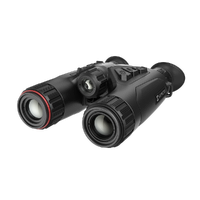
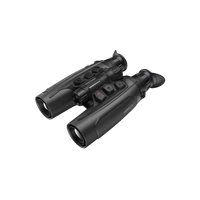
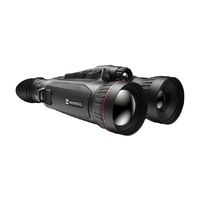
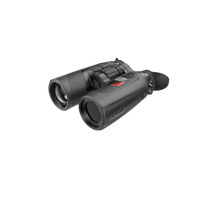


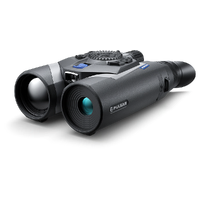
FAQs About Thermal Binoculars
1. Are thermal binoculars worth it?
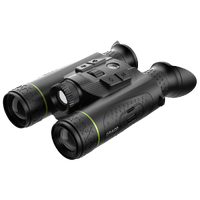
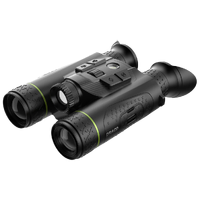
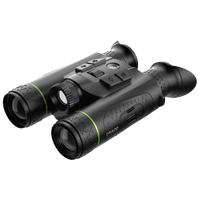
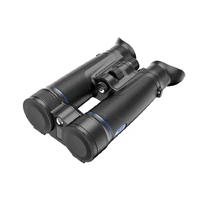
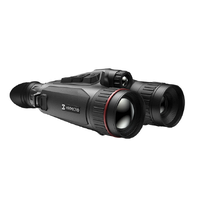
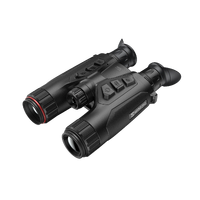
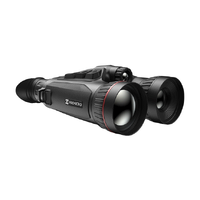
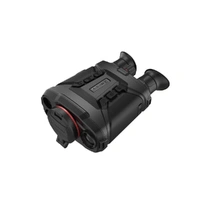
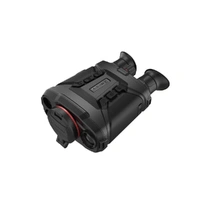
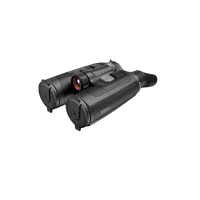
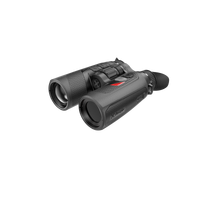
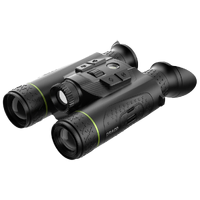
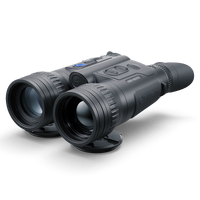
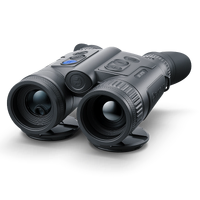
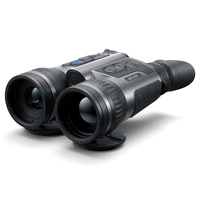
Thermal binoculars are reliable night optics, used not only by hunters but wildlife observers, search and rescue personnel, and security personnel, yet when it comes to a more immersive and comfortable viewing experience, many prefer the thermal monoculars alternative.
They may not be as lightweight or compact, which can be an issue when covering long distances, however they overcome these drawbacks with better depth perception as there's use of both eyes, resulting in reduced eye fatigue, a boost in spatial awareness, easier distance estimation, enhanced safety and superior detection even in poor conditions, from thick fog to dense foliage, cloudy conditions and pitch-black darkness.
2. What are the best thermal binoculars for the money?
It's all about balancing out features, build, performance, purpose and price. If you want the best of the best you can get in terms of high-sensitivity sensors, multispectral properties, reliable long battery life, ergonomics, optimal resolution, laser rangefinder, sturdy build and reliability in all conditions, be prepared to pay more.
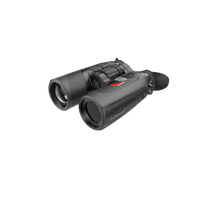
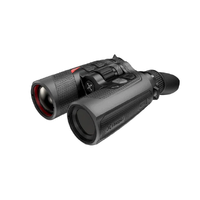
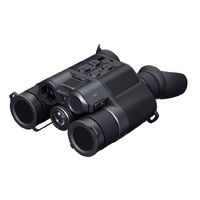
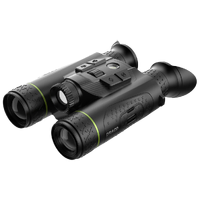
Some tried and tested options that have become the preferred choice of many for the overall price, design, features and ergonomics include Nocpix's Quests, and if you wanted a multi purpose option, HikMicro, Pulsar, Guide and Pixfra have some options in different price points for different use cases.
3. Do thermal binoculars work during the day?
Yes, you can use thermal binoculars during the day, however much like monoculars they will have diminishing effects compared to night time use due to the general temperature of the surroundings being warmer. There are many options however which will offer you a day/night sensor to use as well, providing you with a full colour picture to excel at all hours of the day.
4. Are thermal binoculars legal for hunting in Australia?
While they are legal, they're considered spotlights and as such can undergo certain restrictions when it comes to hunting. Restrictions can vary from state to state, so it's advisable to check your state's laws to make sure you don't break any and get informed on the needed permits prior to your hunting adventures.
Land type, such as private and public, is another determining factor, with more restrictions applied to public land with native and protected wildlife species.
5. How to choose thermal binoculars for hunting?
When choosing the right thermal binoculars, keep in mind selection is very similar to the dot points listed above in thermal monoculars, but the extra added option of multispectral capability can come into consideration depending on how much you would use these during the day, and last but not least, form factor.
Thermal binoculars have a lot of features packed into them which can result in a rather large set of binos, if you are taking these hunting it can be a bit cumbersome. Identifying a binocular that suits your needs for day/night work and your use case will be of utmost importance.
Binoculars like the Nocpix Quest, for instance, can be operated completely with one hand and are no larger than a standard set of binos. These however do not have multispectral features, making them less useful than some others for daytime use.