
Rangefinders









FAQs
What’s the difference between a monocular rangefinder and rangefinder binoculars?
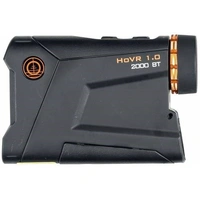
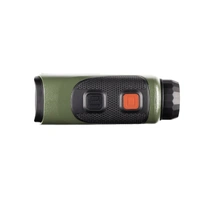
The difference between a monocular rangefinder and rangefinder binoculars comes down to size and optical purpose. A monocular rangefinder is a compact, handheld unit designed for rapid distance readings, whereas rangefinder binoculars combine binocular viewing and higher magnification with ranging in a single device.
When should I choose a firearm-mounted rangefinder instead of a handheld model?
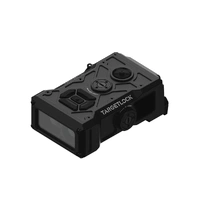
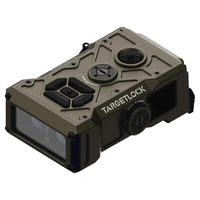
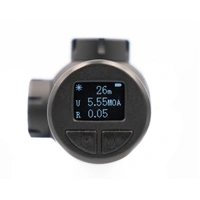
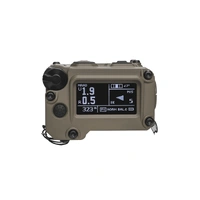
You should choose a firearm-mounted rangefinder instead of a handheld model when you need ranging capabilities integrated directly into your shooting setup. Handheld rangefinders offer greater versatility for ranging on the move and scanning the field, while mounted units provide immediate distance data without requiring you to break your shooting position.
Why do some rangefinders cost a few hundred dollars while others cost several thousand?
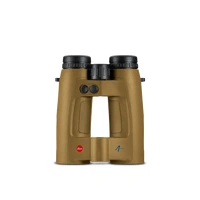
The reason some rangefinders cost a few hundred dollars while others cost several thousand depends on laser performance, optical quality, housing materials and internal features. Entry-level models give straightforward distance readings, while premium units like the Leica Geovid and Zeiss Victory RF binoculars add high-end glass, longer and more reliable ranging, ballistic features and superior twilight performance.
Are rangefinder binoculars worth it for hunting, or is a standard laser rangefinder enough?
Rangefinder binoculars are worth it for hunting if you frequently glass and range targets during the same session. Combining binoculars and a rangefinder into one device means one less piece of kit to carry and speeds up target acquisition. However, if you only require occasional distance checks, a standard handheld monocular rangefinder is often the simpler choice.
How do I compare models on this page without opening every product?
To compare models on this page without opening every product, evaluate options by format first, such as monocular, binocular, or rifle-mounted designs. Next, align key specifications like magnification, objective lens size, and effective laser range against your primary environment to narrow down the best choices quickly.
I’m worried I’ll buy the wrong type of rangefinder, where should I start?
If you are worried about buying the wrong type of rangefinder, start by identifying your primary use case, such as mobile hunting, extended glassing, or range training. Compact monoculars suit hunters seeking lightweight portability, while binocular rangefinders excel at glassing and ranging simultaneously. If you aren’t sure, give us a call and we will help you find the best option for your needs.