
Spotting Scopes
FAQs About Spotting Scopes
1. What is a spotting scope used for?
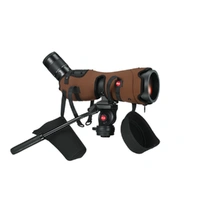
A spotting scope is a high-powered optical device designed to view distant objects in exceptional detail. It bridges the gap between binoculars and a telescope, offering greater magnification while remaining portable enough for outdoor use.
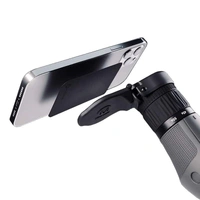
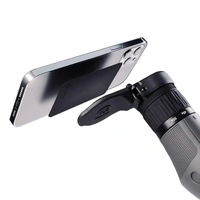
Spotting scopes are commonly used for birdwatching, wildlife observation, hunting, target shooting, nature photography (digiscoping), and landscape viewing. They're also popular for observing sporting events and coastal scenery where long-distance clarity is important. When mounted on a tripod, a spotting scope provides a stable, detailed image that's ideal for extended viewing sessions.
2. How far can a spotting scope see (20-60x80 as example)?
The distance a spotting scope can see depends on several factors, including optical quality, atmospheric conditions, lighting, target size, and the user's ability to focus on detail. A 20-60x80 spotting scope means the scope can magnify an image from 20 times up to 60 times closer than the naked eye, while the 80mm objective lens helps gather more light for a clearer image.
At lower magnification, a spotting scope provides a wider field of view, making it easier to locate objects. At higher magnification, users can inspect finer details at greater distances, such as bullet impacts on targets, wildlife features, or distant terrain. However, maximum magnification is not always the clearest setting, as heat haze, atmospheric distortion, and movement can affect image quality.
For long-range shooting, a quality 20-60x80 spotting scope can be a valuable tool for observing targets at several hundred metres and beyond when paired with good glass and stable support.
3. What magnification is best for a spotting scope?
The best spotting scope magnification depends on how you plan to use it. For most shooting, hunting, and general observation purposes, variable magnification ranges such as 15-45x or 20-60x provide the flexibility to scan wider areas at lower power and zoom in when more detail is needed.
Higher magnification can be beneficial for long-range shooting and detailed observation, but it also makes image stability and optical quality increasingly important. A high-powered scope with poor glass may produce a less useful image than a lower-powered scope with superior lenses and coatings.
When choosing a spotting scope, consider the complete optical system rather than magnification alone. Objective lens size, glass quality, coatings, field of view, eye relief, and build quality all contribute to performance in the field. Scoped Out's approach is focused on matching customers with optics that suit their actual shooting or outdoor requirements.
4. Straight vs angled spotting scopes: which is better?
Both straight and angled spotting scopes offer advantages, and the better choice depends on how you plan to use your optic.
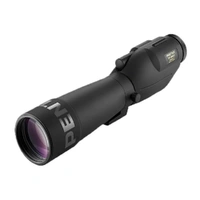
A straight spotting scope has the eyepiece positioned in line with the body of the scope. This design is often preferred by shooters who need quick target acquisition, as it is easier to move between a rifle scope and spotting scope without changing head position significantly. Straight scopes can also be more convenient when viewing from vehicles or lower tripod positions.
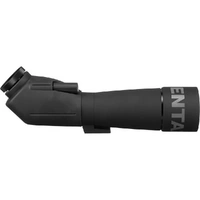
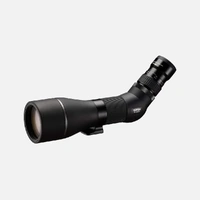
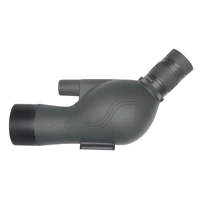
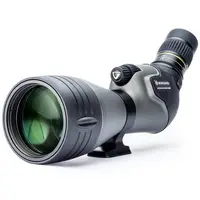
An angled spotting scope positions the eyepiece at an angle, usually around 45 degrees. This makes it more comfortable for extended viewing sessions, especially when looking upward at distant targets, wildlife, or landscapes. Angled models are also easier to share between users of different heights because the tripod height does not need to be adjusted as often.
For range shooting, many shooters prefer the speed and simplicity of straight scopes, while hunters, birdwatchers, and those spending longer periods glassing often appreciate the comfort of angled designs. The right option comes down to your shooting style, environment, and personal preference.
5. Is a spotting scope better than binoculars?
A spotting scope and binoculars serve different purposes, so one is not always better than the other. Spotting scopes provide significantly higher magnification and are designed for detailed observation at longer distances. They are ideal for activities such as precision shooting, long-range target spotting, wildlife identification, and detailed glassing.
Binoculars, on the other hand, are generally lighter, easier to carry, and provide a wider field of view with a more natural two-eye viewing experience. They are often better suited for scanning large areas, hiking, hunting while moving, and general outdoor observation.
For shooters and hunters who need to examine fine details at distance, a spotting scope is usually the better choice. For those who need portability and fast scanning ability, binoculars may be more practical. Many experienced outdoor users choose to carry both, using binoculars for locating and a spotting scope for detailed inspection.
Check out our YouTube Channel for more information: https://www.youtube.com/@scopedoutau/videos